Knowledge has become a luxury.

Learning should not be a privilege, but an accessible, clear and human right.

The observation

The story of La Formation pour tous began in 2024.

At first, it was not a platform. It was field work.

These sessions first focused on preventing cyber threats and digital risks. Very quickly, one thing became clear:

The problem is not limited to cybersecurity.It is about using digital tools in everyday life.
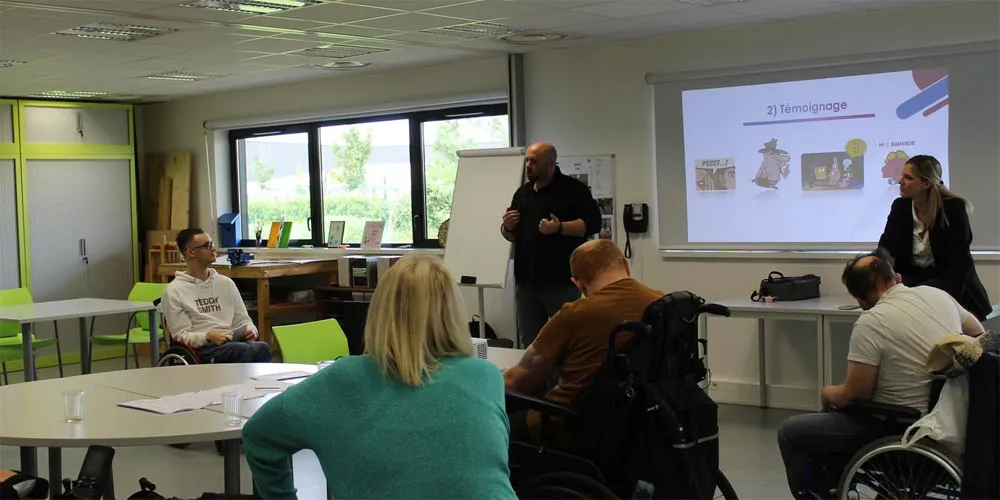
Field session with people with disabilities
The field

The first actions were carried out with people with disabilities.

In partnership with Handicap Services Alister, these sessions first focused on preventing cyber threats and scams linked to social networks.

The sessions then became more regular, more structured and more detailed.

« You cannot teach someone who does not feel confident. »
Timeline

How it began

2024

The field as a starting point

Direct sessions with the public, especially people facing digital vulnerability.

  • Prevention of risks linked to social networks
  • Awareness of online scams
  • Identification of targeted threats, especially for people with disabilities
2025

Structuring the first learning paths

Creation of a cycle of practical workshops, built from needs observed in the field.

Digital tools and access to rights

Support for using administrative platforms: Ameli, mutual insurance services, taxes, DMP…

Online security

Spotting online scams: phishing, fake emails, fraudulent SMS messages and malicious calls.

Digital assistance tools

Discovery of tools that support independence: voice commands, screen readers and digital assistants.

2026

Scaling up

Creation of La Formation pour tous, a free learning resource aggregator and curator.

  • Centralise useful resources
  • Make information easier to access
  • Make learning paths truly usable
Our approach

The method

  1. Work in the field

    Meet people in their real environment.

  2. Observe real difficulties

    Identify what really blocks people, beyond assumptions.

  3. Collect feedback

    Listen to users, caregivers and support professionals.

  4. Improve the solution

    Correct, simplify and reorganise continuously.

  5. Test again

    Check that each change brings real progress.

Even an e-learning platform becomes a barrier if it requires too many steps.

The solution

Remove technical barriers

Reduce search time

Structure content

Guide people to what matters most

Philosophy

A user-centred approach

The project is based on a strong belief: to be useful, a learning tool must be tested against real field experience.

People with disabilities, their caregivers and support professionals formed the project’s first real-life testing ground. Their feedback shaped:

  • Simple learning paths
  • Clear explanations
  • No jargon
  • Removal of unnecessary friction
  • How content is organised

The first official partner of La Formation pour tous.

The first trials, workshops and field feedback helped structure the current model.

This partnership is the historical and operational foundation of the project.

We believe learning should never feel like an obstacle course.

Every person deserves simple, clear and human access to digital knowledge — without jargon, without friction, without exclusion.

Current situation

Today

  • Open access to content
  • A learning structure for Free Resources
  • An approach focused on practical use
  • A constant desire to simplify

The project continues to evolve with the same logic as at the beginning: test, observe, correct and improve.

Who we are

The team

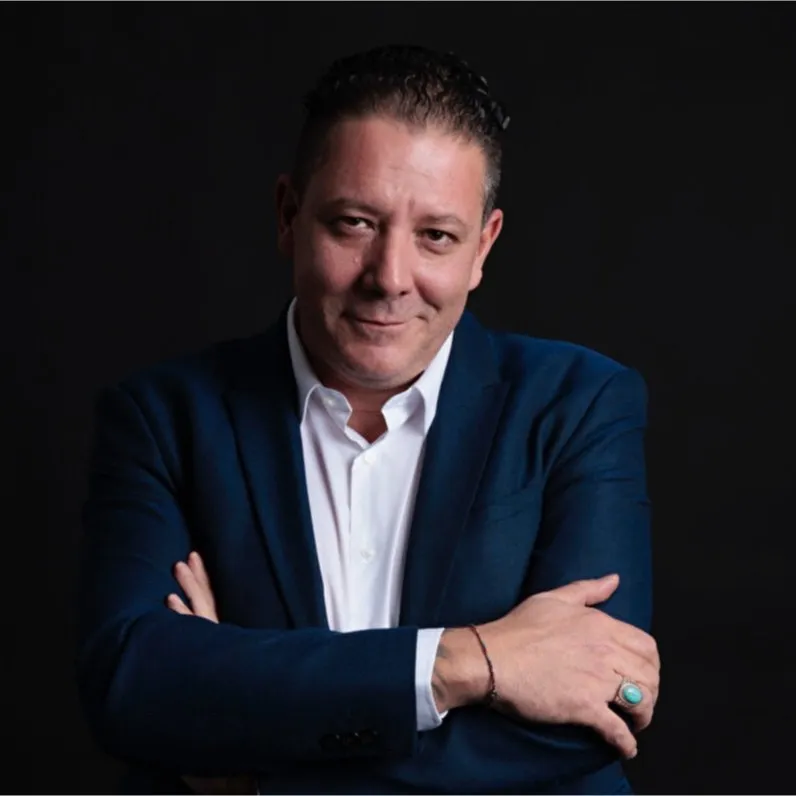
Arnaud

Arnaud

Founder — La Formation pour tous

With more than 15 years in IT (development, project management, quality) and a digital culture built over more than 20 years, his work is to turn this expertise into practical learning tools focused on real uses.

« The digital divide is not a technical problem: it is a problem of understanding and ownership. »
Alexandre

Alexandre

Co-founder — La Formation pour tous

A Qualiopi auditor with more than 20 years of experience in sales, management and professional training. His field experience and audit work help him identify in depth the gap between digital tools and how they are actually used.

« Difficulties with digital tools go far beyond the audiences first targeted. »
Go further

Would you like to understand the project, suggest a collaboration or simply ask us a question?

Contact us
Talking about us?

Find the essentials about the project, its mission and commitments in our press kit.

Download the press kit

Discover and support our approach

Support our work

We select simple, practical and easy-to-understand resources so everyone can become more independent with digital tools.

Donate

Content shared, never claimed as our own

La Formation pour tous claims no ownership rights over this content.

Legal notice

Educational governance

Committed field actors involved in selecting and improving content.

Discover the Educational Committee
Social and solidarity economy logo

La Formation pour tous falls within the scope of the social and solidarity economy (ESS), as defined by the French law of 31 July 2014 on the social and solidarity economy.